
The role and principles of regular maintenance in promoting car fuel economy
During the use of a car, regular maintenance is one of the important means to maintain the good running condition of the car and an effective way to improve fuel economy. Regular maintenance can not only detect and solve potential problems with the car in a timely manner, but also effectively reduce unnecessary energy waste, thereby enhancing fuel economy. This article will elaborate on the role and principles of regular maintenance in promoting car fuel economy.
Firstly, the promotional role of regular maintenance on vehicle fuel economy
Improving engine performance: Regular maintenance ensures that internal engine components are in good working condition, reducing wear, improving engine power performance, and thus enhancing fuel economy. The improvement in engine power performance allows vehicles to consume less fuel under the same driving conditions, thereby reducing fuel consumption.
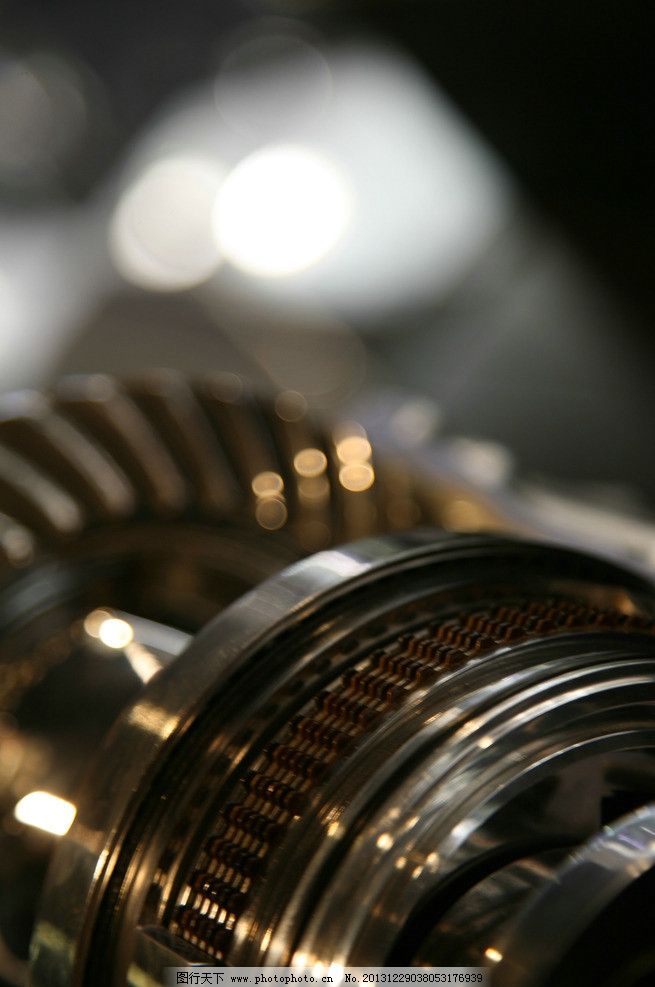 educing failure rates: During the use of vehicles, due to various factors, key components such as engines, transmissions, and braking systems may experience wear, aging, or failure. Regular maintenance can detect and resolve these issues in a timely manner, avoiding increased driving resistance due to failure, thereby reducing fuel consumption.
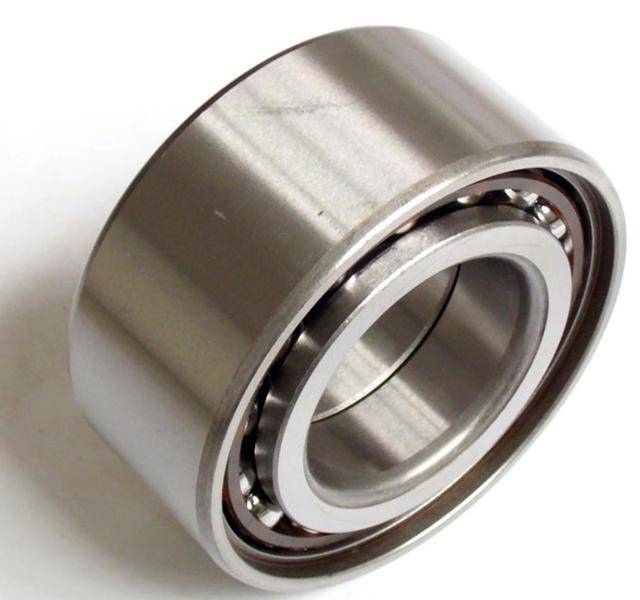 Optimizing aerodynamic performance: Regular inspection and maintenance of the vehicle's aerodynamic performance, such as wheels, tires, and body, can reduce air resistance, thus lowering driving resistance and reducing fuel consumption. Good aerodynamic performance can also effectively reduce wind noise and improve driving comfort.
Optimizing fuel combustion efficiency: Regular maintenance ensures that the vehicle's fuel system (such as fuel filters, injectors, spark plugs, etc.) is in good working condition, thereby optimizing fuel combustion efficiency. This not only reduces fuel consumption but also improves engine thermal efficiency, further enhancing fuel economy.
Secondly, the principle of regular maintenance on vehicle fuel economy
Reducing wear and failure: Regular maintenance can detect and resolve potential wear and failure issues in vehicles in a timely manner, avoiding increased driving resistance due to wear and failure, thereby reducing fuel consumption. For example, regularly replacing engine oil and oil filters can reduce wear on internal engine components, extend engine life, and thus reduce fuel consumption.
Optimizing aerodynamic performance: Regular maintenance ensures that the vehicle's aerodynamic performance is in good condition, thereby reducing air resistance and lowering driving resistance. Air resistance is one of the important factors affecting vehicle fuel economy, and reducing air resistance can reduce fuel consumption. For example, regular inspection and maintenance of the vehicle's wheels, tires, and body can reduce air resistance, thus lowering fuel consumption.
Optimizing fuel combustion efficiency: Regular maintenance ensures that the vehicle's fuel system is in good working condition, thereby optimizing fuel combustion efficiency. The improvement in fuel combustion efficiency can reduce fuel consumption, thereby enhancing fuel economy. For example, regularly replacing fuel filters and injectors can reduce impurities in the fuel, improve fuel combustion efficiency, and thus reduce fuel consumption.
In summary, regular maintenance has a multi-faceted impact on the fuel economy of vehicles, not only improving engine performance and reducing failure rates, but also optimizing aerodynamic performance and fuel combustion efficiency. Regular maintenance helps keep vehicles in good running condition, reducing unnecessary energy waste and thus improving fuel economy. Therefore, regular vehicle maintenance is an important way to enhance fuel economy.