
Wear detection methods and maintenance strategies for the vacuum pump bearings of automotive brake systems
I. Introduction
In modern automobiles, the braking system is the key to driving safety, and the braking vacuum pump is an important part of the braking system. The braking vacuum pump utilizes the vacuum degree of the engine to generate the pressure required for braking to achieve the braking effect. In the braking vacuum pump, the performance and life of the bearing directly affect the performance of the braking system. Therefore, the research on the wear detection and maintenance strategies of the braking vacuum pump bearing is of great significance.
Two, Detection methods for braking vacuum pump bearing wear
Visual inspection method: The visual inspection method is the most basic inspection method, mainly through visual inspection, checking for abnormal wear, cracks, corrosion, and other phenomena in the braking vacuum pump bearing. However, this method can only make an initial judgment of surface wear, and its detection effect on internal wear is limited.
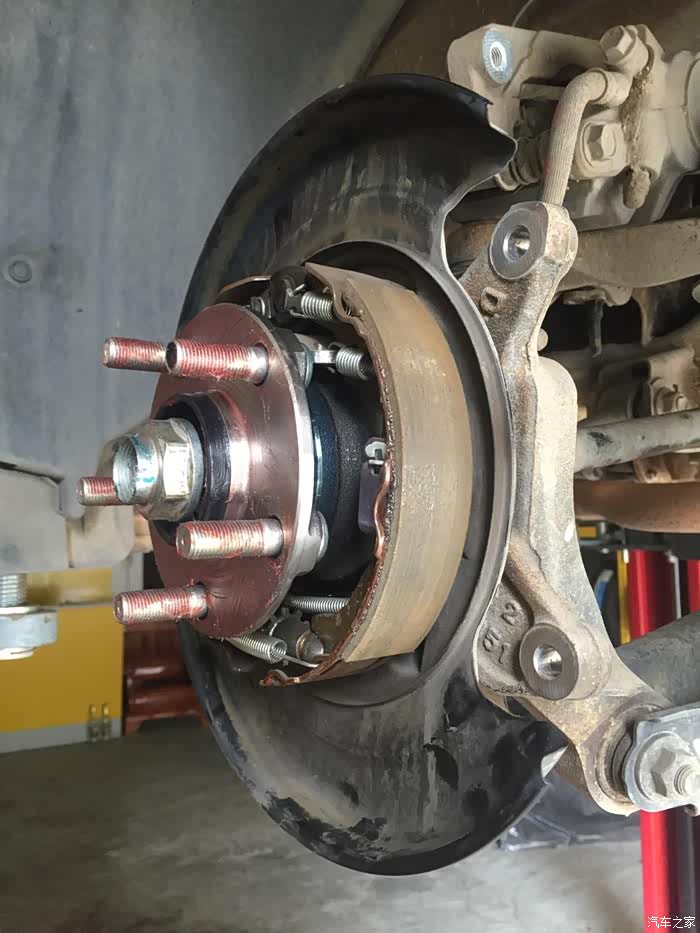 Lubricating oil detection method: During the operation of the braking vacuum pump bearing, it will come into contact with lubricating oil. Therefore, the wear condition of the bearing can be judged by detecting the lubricating oil. The content of metal particles in the lubricating oil can reflect the degree of bearing wear, and the higher the content, the more severe the wear of the bearing.
Magnetic particle inspection method: The magnetic particle inspection method is a non-destructive detection method for bearings, which is achieved by magnetizing the bearing and using magnetic particles to aggregate at the defect locations to form magnetic marks, thus detecting the bearing. This method can detect fine cracks and wear inside the bearing, but its detection effect on the surface wear of the bearing is limited.
X-ray detection method: The X-ray detection method can penetrate the bearing, carry out non-destructive detection of the internal bearing, and detect the fine cracks and wear inside the bearing. However, this method is costly and requires professional equipment and technical personnel.
Three, Maintenance strategies for braking vacuum pump bearing wear
Replacing worn bearings: For bearings with severe wear that cannot be restored to performance through repair, replacement should be carried out. When replacing bearings, it is necessary to choose bearings with the same model, material, and size as the original bearing to ensure the performance of the braking system.
Repairing worn bearings: For bearings with minor wear, repair methods can be adopted, such as replacing severely worn parts, repairing cracks, and replacing damaged seals, etc. After repair, performance testing should be carried out to ensure that it can meet the performance requirements of the braking system.
Regular maintenance: Regular maintenance of the braking vacuum pump, including replacing lubricating oil, checking the condition of the bearing, and cleaning the bearing, can effectively prevent bearing wear and extend its service life.
Improving maintenance technology: Improving the technical level of maintenance personnel, detecting the bearing more accurately, and detecting and handling problems in a timely manner can improve maintenance efficiency and reduce maintenance costs.
Four, Conclusion
The research on the wear detection and maintenance strategies of the braking vacuum pump bearing is of great significance to ensure the performance of the braking system and improve driving safety. By adopting various detection methods, the bearing can be accurately detected, and combined with reasonable maintenance strategies, the service life of the braking vacuum pump bearing can be effectively extended, maintenance costs can be reduced, and driving safety can be improved.
In practical operation, appropriate detection methods and maintenance strategies should be selected according to specific situations to ensure the performance of the braking system. At the same time, regular maintenance should be carried out to detect and handle problems in a timely manner to ensure the normal operation of the braking system.