
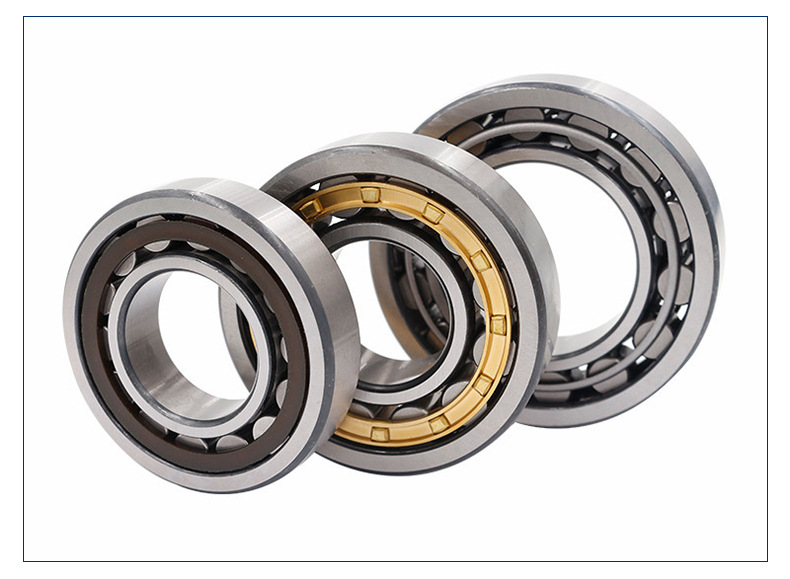
 he front axle bearing of a car is a key component of the suspension system, and its design must meet the performance requirements of the vehicle under different road conditions, while also considering the vehicle's weight, cost, and manufacturing processes. The design of the front axle bearing not only needs to consider its stability during high-speed driving but also its load-bearing capacity under different conditions such as cornering, decelerating, and accelerating. This article will discuss how to adapt to different types of front axles to meet the vehicle's performance requirements.
1. Overview of Front Axle Types
The front axle of a car can be divided into various types according to its structure and function, including wishbone front axle, MacPherson strut front axle, multi-link front axle, etc. Each type of front axle considers different needs and limitations during design, so the design of its front axle bearing will also differ.
2. Wishbone Front Axle Bearing Design
The wishbone front axle is usually used in sedans and small cars, with a simple structure and relatively low cost. The front axle bearing needs to be able to withstand large lateral forces and bending moments to adapt to the dynamic changes during vehicle cornering. Therefore, the design needs to consider the rigidity and stability of the bearing to ensure that the vehicle can maintain good dynamic performance during high-speed driving and frequent cornering.
3. MacPherson Strut Front Axle Bearing Design
The MacPherson strut front axle is a widely used type of front axle, particularly common in economy cars and SUVs. The characteristic of this design is a compact structure, moderate cost, and good comfort and handling. The front axle bearing needs to have sufficient rigidity and shock resistance to ensure the stability and comfort of the vehicle during high-speed driving and frequent acceleration.
4. Multi-link Front Axle Bearing Design
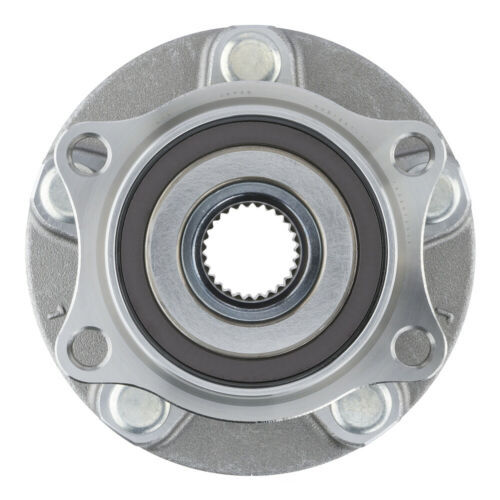 he multi-link front axle is commonly used in mid-to-high-end sedans and SUVs, with a complex structure that can provide better handling performance and comfort. The design of the front axle bearing needs to consider the load-bearing capacity of the vehicle under different operating conditions, as well as good rigidity and fatigue resistance. Therefore, the front axle bearings of the multi-link front axle usually adopt high-precision, high-wear-resistant materials to ensure their reliability over a long service life.
 5. Structural Design Adaptation Strategy
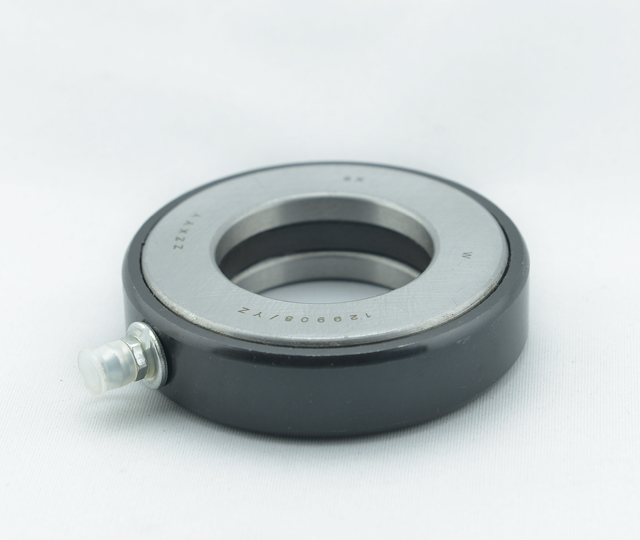
To adapt to different types of front axles, car manufacturers usually adopt different bearing design strategies based on the specific needs of the vehicle. For example, for a MacPherson strut front axle, it may be necessary to choose bearing materials with higher rigidity and increase the preload of the bearing during design to improve its stability during cornering. For a multi-link front axle, a more complex bearing structure may be chosen to provide better load-bearing capacity and fatigue resistance.
6. Conclusion
The design of the front axle bearing of a car needs to take into account various factors such as vehicle performance requirements, cost, and manufacturing processes. By selecting appropriate bearing materials and design, the stability and reliability of the front axle under different operating conditions can be ensured. With the development of technology, the design of future front axle bearings of cars will pay more attention to lightweight, intelligence, and high performance to meet the ever-changing market demand.
The aforementioned is just an overview; the specific design and selection require detailed analysis and calculation based on actual conditions to ensure the safety and comfort of the vehicle.